Table of contents
Retro-futurism has captivated the fashion world with its bold visuals and imaginative approach, breathing new life into streetwear culture. This fusion of nostalgic elements and futuristic vision creates a unique aesthetic that is both familiar and forward-thinking. Dive into the evolving world of retro-futurism in streetwear and discover how this dynamic trend is influencing design, consumer behavior, and the very identity of urban style today.
The roots of retro-futurism
Retro-futurism finds its origins in the dynamic interplay between past cultural movements and speculative artistic visions of the future, first gaining prominence during the early to mid-20th century. This aesthetic drew heavily from the optimism of post-war technological advancement, the streamlined forms of art deco, and the bold graphics of mid-century science fiction. These visual influences shaped how entire generations imagined tomorrow’s possibilities, creating a nostalgic fascination that endures within contemporary style. In streetwear history, such fascination manifests through the reinterpretation of vintage space-age motifs, chrome finishes, and geometric patterns, blending them with modern materials and silhouettes for a renewed sense of identity.
This connection between retro-futurism origins and modern streetwear lies in the power of visual storytelling, a concept that frames fashion as both narrative and statement. By referencing earlier cultural trends and retro fashion, today’s designers invite wearers to participate in a dialogue that spans eras, juxtaposing the utopian dreams of yesterday with the realities of urban life. The technique of layering historical references with forward-thinking design choices not only enriches streetwear’s visual vocabulary but also satisfies a persistent yearning for authenticity and innovation, making retro-futurism a compelling force in shaping the aesthetics of city dwellers worldwide.
Key design elements unveiled
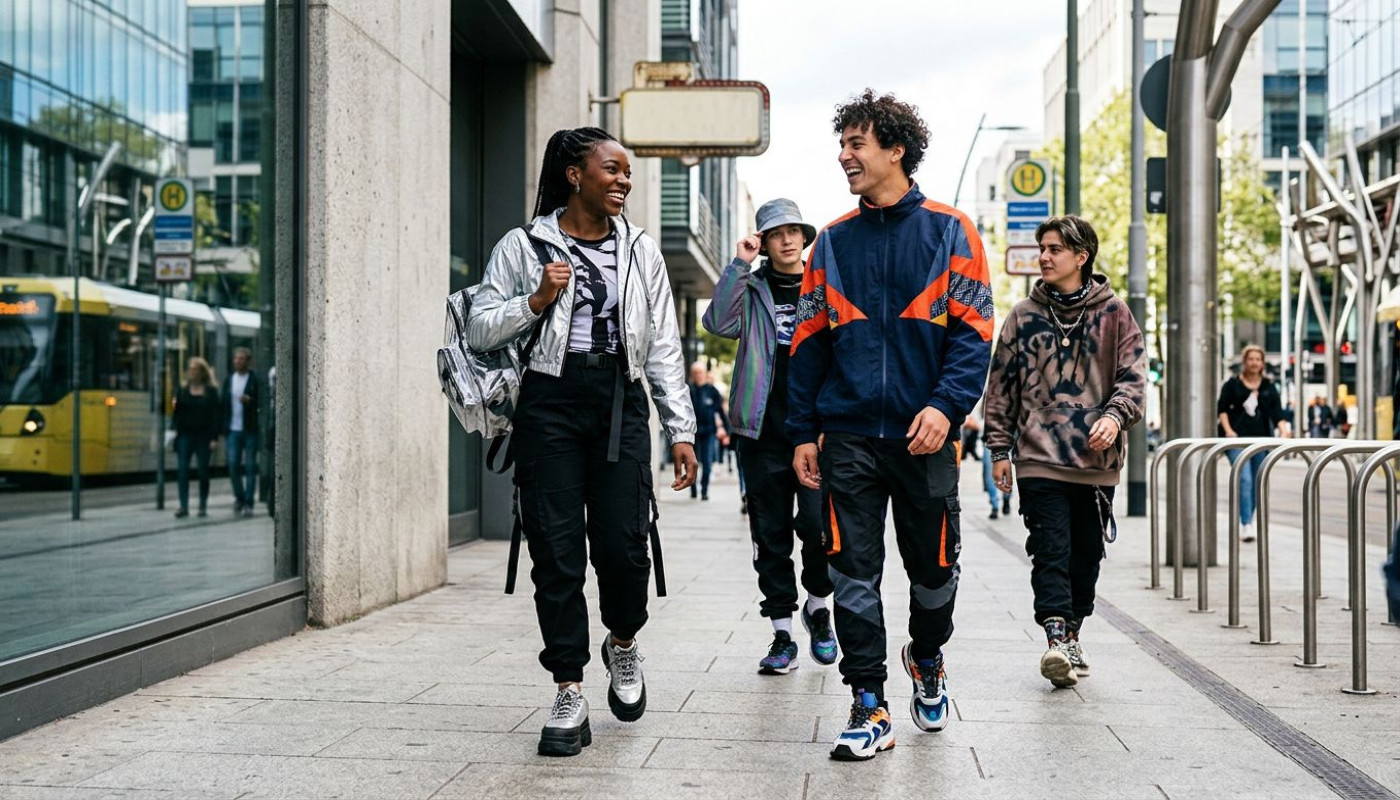
Retro-futurism design in today's streetwear is distinguished by a compelling mix of futuristic textures and nostalgic references. Metallic surfaces often dominate, from shimmering silver jackets to accessories with chrome finishes, providing a space-age allure that echoes classic sci-fi motifs. Geometric streetwear patterns, like angular color blocking and sharp asymmetrical lines, break away from traditional silhouettes and create visual intrigue. Neon streetwear hues—vivid pinks, electric blues, and acid greens—are strategically applied, not only as accents but sometimes saturating entire garments. The technical approach known as color blocking combines contrasting and complementary shades in bold, unexpected configurations, heightening visual impact and reinforcing the futuristic direction. These elements are meticulously woven into both apparel and accessories, such as sneakers and hats, resulting in pieces that feel both nostalgic and avant-garde. The interplay of shimmering fabrics, structured shapes, and vibrant colors ensures that retro-futurism remains a defining force in innovative fashion today.
Influence on pop culture
Retro-futurism fashion has become a driving force behind many current pop culture trends, impacting not only the world of apparel but also extending into music, art, and digital media fashion. Icons in the music industry often blend vintage aesthetics with futuristic visuals, while digital artists use bold, nostalgic color palettes and cyber-inspired patterns in their work. These creative choices reflect a fascination with imagined futures, and this fascination feeds directly into the way streetwear influence is expressed today. The rapid evolution of digital media platforms has accelerated the spread of retro-futuristic imagery, making it accessible to a broader audience and encouraging a diverse array of cultural movements that blur the boundaries between past and future.
Streetwear sits at the center of a cultural feedback loop, both shaping and being shaped by these broader pop culture trends. As artists and musicians adopt elements of retro-futurism fashion, they inspire designers to reinterpret classic silhouettes with futuristic details, and these designs, in turn, become reference points in digital media, perpetuating the cycle. The interplay between visual culture and fashion is especially visible in online spaces dedicated to emerging styles, such as the community found at more. Such sites not only showcase innovative streetwear but also amplify the influence of cultural movements fueled by nostalgia and technological optimism, illustrating the dynamic relationship between digital culture and fashion innovation.
Consumer appeal and psychology
Retro-futurism in streetwear captivates streetwear consumers through a blend of nostalgia in fashion and forward-looking aesthetics. The psychological roots of this retro-futurism appeal are deeply intertwined with childhood memories and collective cultural references, prompting an emotional resonance that triggers both comfort and curiosity. For many, these designs offer a form of escapism, allowing individuals to step outside daily routine and immerse themselves in imagined futures or idealized pasts. Fashion psychology research identifies aspirational identity as a key motivation: consumers are drawn to retro-futuristic streetwear not only to evoke the past, but also to signal alignment with innovation and uniqueness. This desire for distinctiveness influences purchasing behavior, as individuals seek to curate personal narratives through garments that both reflect their longing for familiar eras and their ambitions for originality. In sum, retro-futurism’s psychological power lies in its ability to fuse memory, aspiration, and individuality, making it a dynamic force in contemporary fashion trends.
Future outlook for retro-futurism
The retro-futurism outlook within future streetwear trends is poised for ongoing evolution, as industry-leading fashion forecasting identifies several transformative forces at play. Powered by rapid technological advances such as smart fabrics and augmented reality integrations, designers are expected to reimagine nostalgic motifs with interactive, customizable elements. This shift aligns with the burgeoning demand for sustainable streetwear, where ethically sourced materials and circular production models are becoming standard. As consumer preferences evolve toward both self-expression and responsibility, the interplay between vintage aesthetics and next-gen innovation will define the direction of evolving fashion trends. Designers adept in trend forecasting will not only anticipate shifts in color palettes and silhouettes but also incorporate digital enhancements and eco-conscious practices to remain at the forefront of the industry. The capacity to blend past inspirations with future possibilities ensures that retro-futurism will continue to invigorate the streetwear scene for years ahead.
On the same subject

How Shapewear Enhances Posture And Confidence?
Exploring The Impact Of Traditional Motifs On Modern Urban Fashion

Exploring Bohemian Fashion Trends For 2024
Exploring The Resurgence Of Early 2000s Fashion Trends
