Table of contents
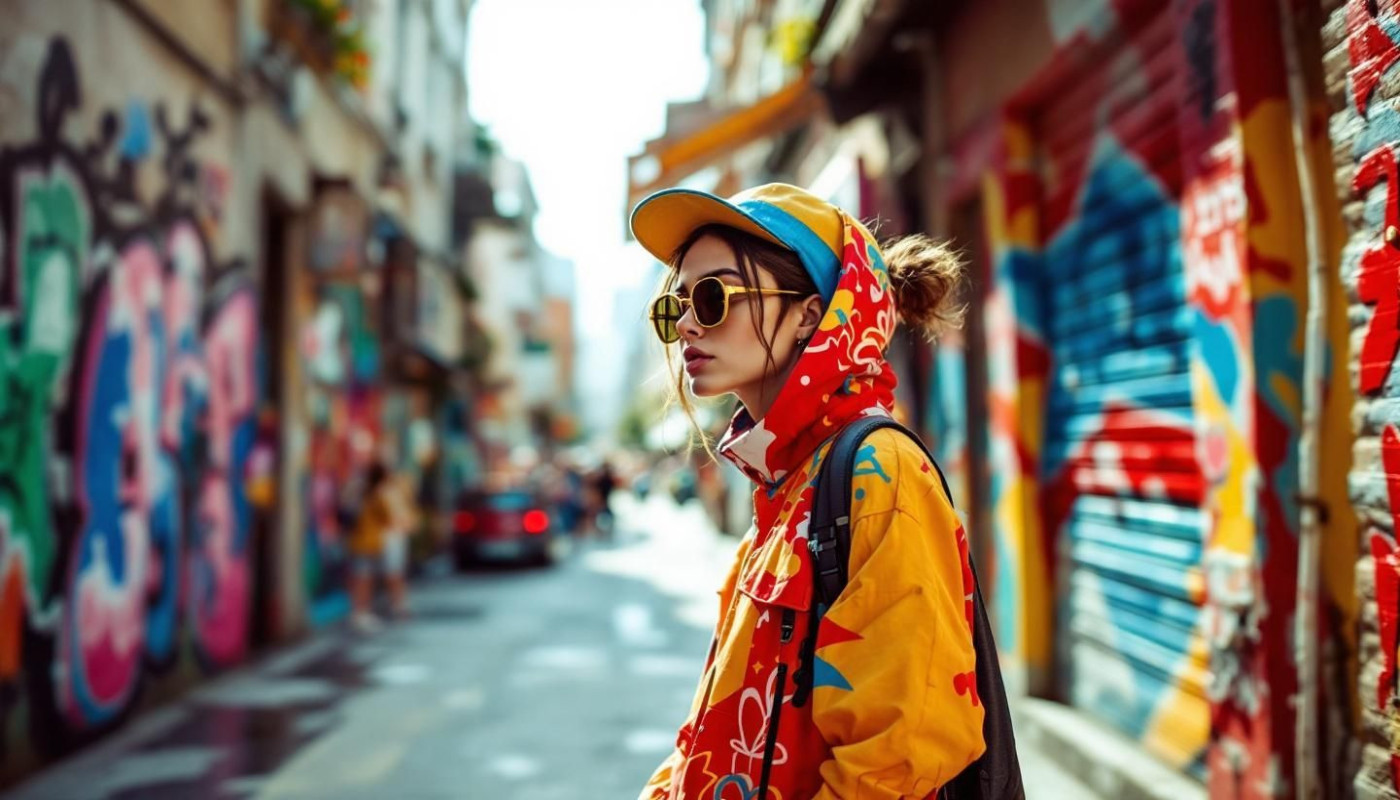
Urban fashion is constantly evolving, yet some elements remain timeless. Among these, traditional motifs bring a unique vibrancy and depth, transforming everyday streetwear into wearable art. Uncover how these cultural symbols are weaving their way into city wardrobes and why exploring their influence can reshape your perspective on contemporary style.
The roots of traditional motifs
Traditional motifs possess a fascinating legacy, deeply rooted in the textile and design heritage of countless cultures around the globe. From the elaborate patterns found on ancient textiles of the Silk Road to the geometric forms of African kente or Japanese kimono fabrics, heritage patterns have communicated cultural symbolism and social status for centuries. The motif history for each civilization is rich with stories, as every symbol, color, and arrangement carries meaning unique to its origin. Iconography plays a crucial role in interpreting these designs, with motifs often representing spiritual beliefs, historical events, or familial identity. For example, the cherry blossom is a renowned motif in Japanese traditional design, symbolizing the fleeting nature of life and renewal.
Over generations, these time-honored patterns have been passed down and adapted, ensuring their survival and continued relevance in the modern world. Ancient textiles serve not only as aesthetic inspiration but also as a physical record of historical interactions and cultural evolution. The integration of these heritage patterns into contemporary fashion reflects a respect for the past, bridging the gap between tradition and innovation. In various societies, motifs have evolved to incorporate new materials, techniques, and perspectives, reflecting the ever-changing narrative of cultural symbolism and artistic expression.
Those interested in exploring the enduring influence of traditional motifs on modern urban fashion can find an in-depth description of Japanese textile iconography and design at description. This resource provides insight into motif interpretation and its transformation from ancient to modern contexts. Even when examining the global phenomenon of motif adaptation, the Japanese approach to traditional design serves as a compelling example, showcasing the seamless blend of historical elements with current trends.
Urban fashion’s new canvas
Modern urban fashion designers are redefining the boundaries of style by integrating traditional motifs with urban style, resulting in an inventive blend that is reshaping the streetwear landscape. Through the technique known as fusion design, heritage patterns and symbols are reimagined in modern design contexts, allowing for motif integration that bridges cultural history and contemporary expression. This process merges time-honored textiles and decorative elements with cutting-edge materials, oversized silhouettes, and graphic streetwear trends, creating visual dialogues that celebrate both past and present. The evolution is visible in collections where embroidery, indigenous prints, or ancestral iconography are paired with bold lines, unexpected layering, and innovative tailoring, pushing fashion innovation forward.
Fusion design not only serves as a creative playground for designers but also resonates deeply with consumers seeking authenticity and individuality in urban style. The integration of these motifs into modern wardrobes allows wearers to participate in a living tradition while embracing the dynamism of global streetwear trends. Designers who master motif integration are able to create pieces that stand out in a crowded market, offering a sense of connection and narrative that is often absent in mass-produced apparel. This synergy of heritage and innovation ensures that urban fashion remains both reflective of cultural diversity and at the forefront of modern design evolution.
Symbolism in city streetwear
In city streetwear, symbolic motifs serve as potent vehicles for statement fashion and cultural identity, deeply rooted in the science of semiotics. Wearers often select specific patterns not simply for visual appeal but for their capacity to communicate personal and collective histories, forging connections with ancestral roots or contemporary subcultures. Streetwear symbolism harnesses these traditional motifs—whether geometric, floral, or calligraphic—as coded messages that signal group affiliations, social commentary, or even rebellion against mainstream norms. By integrating these designs, individuals engage in motif expression that both honors heritage and redefines it within a modern urban context, turning clothing into a canvas for nuanced cultural dialogue that is instantly recognizable among peers who share similar backgrounds or values.
This ongoing interplay between symbolic motifs and modern fashion choices reflects a sophisticated negotiation of identity in increasingly diverse urban landscapes. As trends evolve, traditional patterns are recontextualized, enabling wearers to highlight their uniqueness while simultaneously partaking in global conversations about authenticity and inclusion. Through the lens of semiotics, every choice in streetwear—down to the placement and type of motif—becomes a deliberate act of communication, making urban clothing a dynamic medium for ongoing discussions about heritage, belonging, and transformation in the world of statement fashion.
Global influence and cross-cultural exchange
Transculturation plays a decisive role in shaping global fashion, as cross-cultural motifs seamlessly migrate and evolve within international trends. Urban designers and brands in cities like Tokyo, Paris, and New York often look beyond their local traditions, adapting motifs from distant cultures to create dynamic, hybrid styles. Such motif adaptation not only stimulates creative growth in modern urban fashion but also encourages a perpetual dialogue between tradition and innovation. Motifs originally tied to specific identities—such as African wax prints, Japanese sakura, or Indigenous patterns—are reinterpreted through the lens of global fashion, symbolizing both respect for heritage and the thrill of stylistic reinvention.
Despite this creative synergy, transculturation raises issues related to cultural exchange and the ethics of motif use, as the line between appreciation and appropriation becomes blurred. While international trends thrive on the fusion of diverse aesthetics, there is an ongoing debate about authenticity, credit, and the potential dilution of cultural meanings. Fashion anthropologists emphasize the necessity of understanding the origins and significance of cross-cultural motifs before incorporating them into urban collections. This conscientious approach helps maintain a respectful balance, allowing global fashion to flourish without undermining the value and context of traditional symbols.
The future of motif-driven fashion
Fashion forecasting increasingly utilizes trend extrapolation to predict how traditional motifs will persist in shaping urban style. As global cities embrace both wearable technology and digital textile printing, motif trends rooted in heritage innovation continue to evolve, blending ancient patterns with futuristic aesthetics. The interplay of augmented reality and smart fabrics enables designers to reinterpret classical symbols, offering interactive, culturally resonant garments that appeal to a tech-savvy yet tradition-minded audience. Brands are responding to a growing cultural appetite for authenticity by integrating historical references into cutting-edge collections, ensuring that motifs such as ikat, paisley, and geometric tribal designs remain visually relevant in the digital age.
Simultaneously, shifting attitudes toward heritage and innovation influence future style directions, prompting more collaborations between artisans and technology experts. This synergy creates opportunities for custom, limited-edition pieces that marry sustainable practices with digital customization, preserving the story behind each motif while catering to the fast-paced demands of urban life. As fashion forecasting suggests, the enduring power of motif-driven design lies in its ability to adapt—drawing from ancestral roots while resonating with evolving global identities through wearable technology and advanced production methods. The coming years promise an urban fashion landscape where the past and future are woven together, each motif acting as a bridge across time and culture.
On the same subject

How Shapewear Enhances Posture And Confidence?
Exploring The Impact Of Retro-Futurism In Today's Streetwear

Exploring Bohemian Fashion Trends For 2024
Exploring The Resurgence Of Early 2000s Fashion Trends
